
AI for ATO: Pentagon seeks AI to streamline cumbersome cybersecurity processes
“Like Frank's Red Hot Sauce, we should be trying to put AI on anything that you can," said David McKeown, a senior cybersecurity official.
“Like Frank's Red Hot Sauce, we should be trying to put AI on anything that you can," said David McKeown, a senior cybersecurity official.

"We recognize this is a time of heightened risk,” Pentagon cyber official Katie Arrington told Breaking Defense. “DoD encourages the DIB [Defense Industry Base] to raise their cybersecurity posture.”


Truly autonomous aircraft can make decisions without continuous human input.

The move comes as the department is pushing to bolster its cybersecurity for weapons systems in other areas, such as establishing zero trust for weapons systems by 2035.
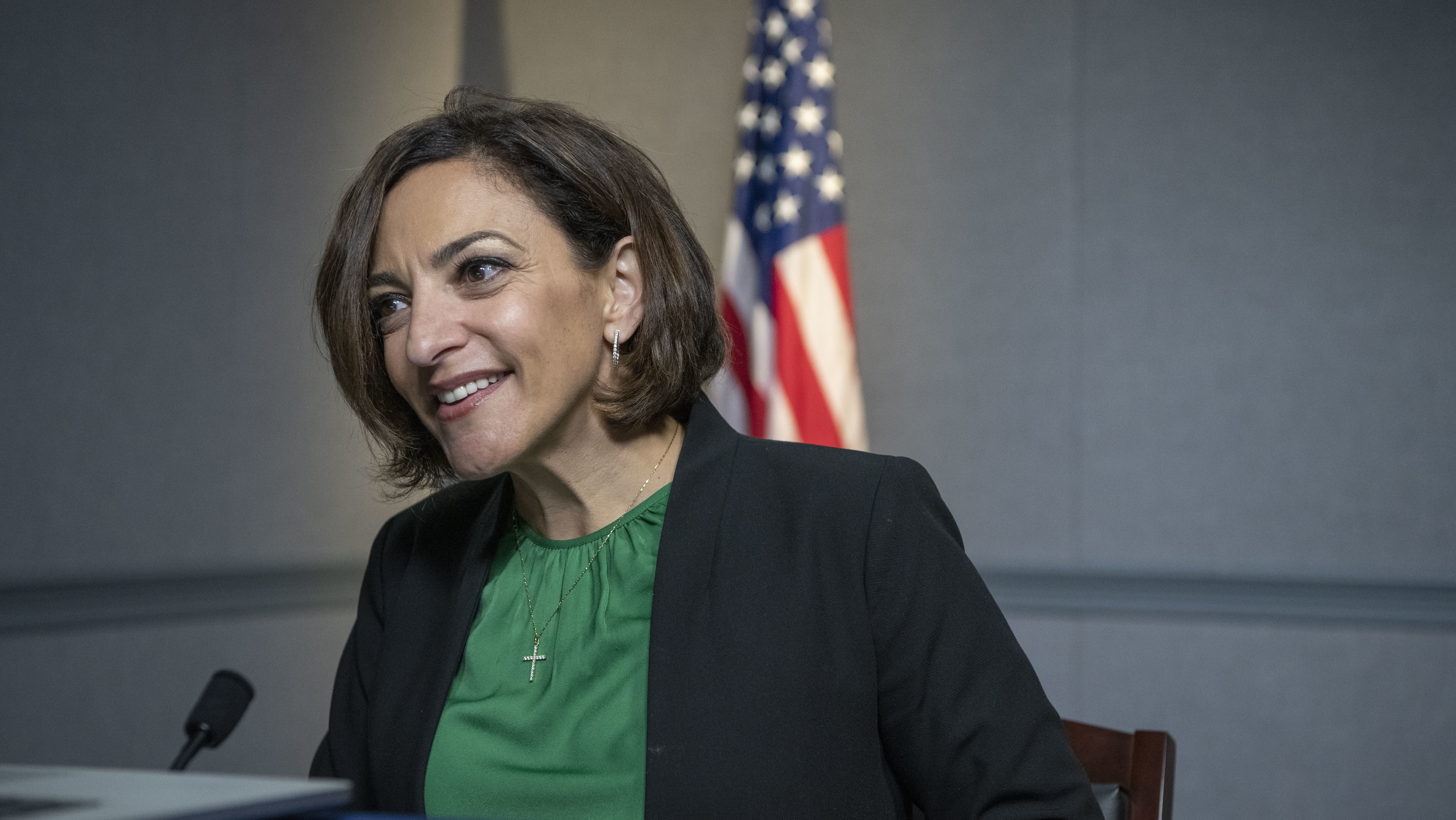
In an exclusive interview, Katie Arrington, who is performing the duties of the DoD CIO, makes the case for the new Software Fast Track (SWFT) program.

Weapons systems are the last element of the Pentagon’s Zero Trust Implementation Plan to adopt zero trust architectures.

“What I need industry to do is work with other industry partners and be willing to take that critical feedback from the warfighter," said Zachary Taylor, senior communications officer in the Army’s special operations 75th Ranger Regiment.


Multi-orbit mission capabilities are accelerating decision making across domains.

“For OT and weapon systems, we are coming out with initial zero trust guidance. Why? Because the adversary is attacking," Randy Resnick, director of the Pentagon's Zero Trust Office, told Breaking Defense.

“We've got to think ahead as to what the adversary might be working on and develop algorithms that are there in time to meet the adversary's ability to crack those algorithms,” David McKeown, deputy DoD CIO, said.
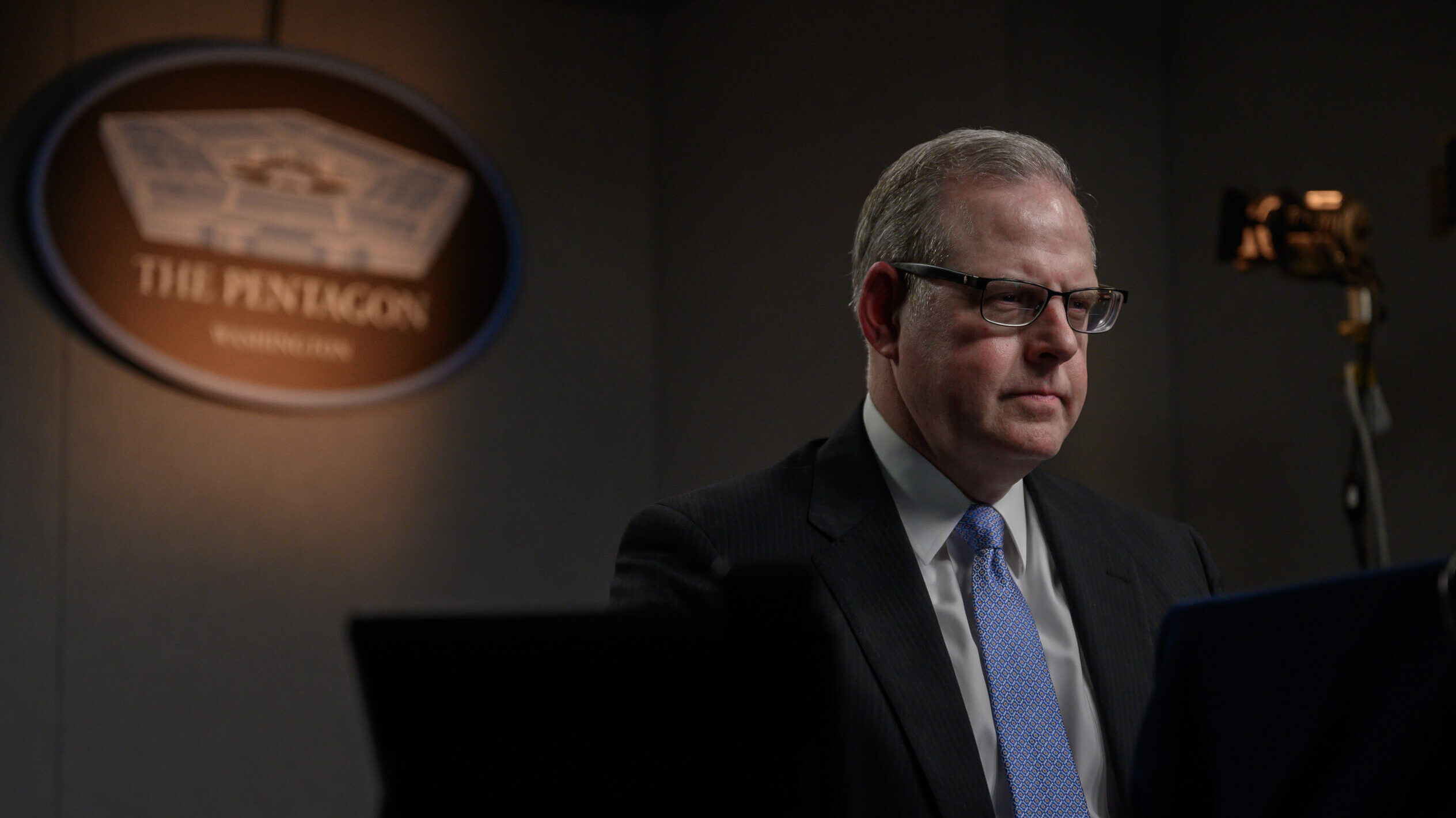
“We’ve heard you loud and clear on this within the DoD. I’m not going to say this is going to solve every bit of it, but it’s going to help us a bit,” Pentagon CIO John Sherman said.

“We were very disjointed” in efforts to support contractors, admitted Pentagon CISO Dave McKeown. “We want to make that more streamlined."


A decorated combat aviator and biotech CEO advocates preparing for novel viral threats before the next crisis.

“I love AI. I want lots of AI,” Dave McKeown told Breaking Defense. But, so far, neither government nor industry has developed artificial intelligence that can really help with cybersecurity.

The service branches aren't mandated to use the up-to $9 billion services, but the Army and Navy are getting into the game with some secret-level and wargaming-related programs, according to service documents provided to Breaking Defense.

Defense Department Chief Information Officer John Sherman set the tone early in the year by telling Breaking Defense a major focus over 2023 would be aiming for baseline, targeted zero trust within four years.

Sherman said that there is no timeframe for when the department will release a request for information for JWCC 2.0 or when the effort will roll out next year, but added that DoD was “firmly committed to multi-cloud, multi-vendor, and this is what we’re going to be doing going forward.”